Urban Projects
- Home
- Urban Projects
Urban Projects
Organized By:
Indian Institute Of Youth Welfare
Event Location:
Lonara, Maharashtra 441111
AWARENESS ON STI, HIV-AIDS
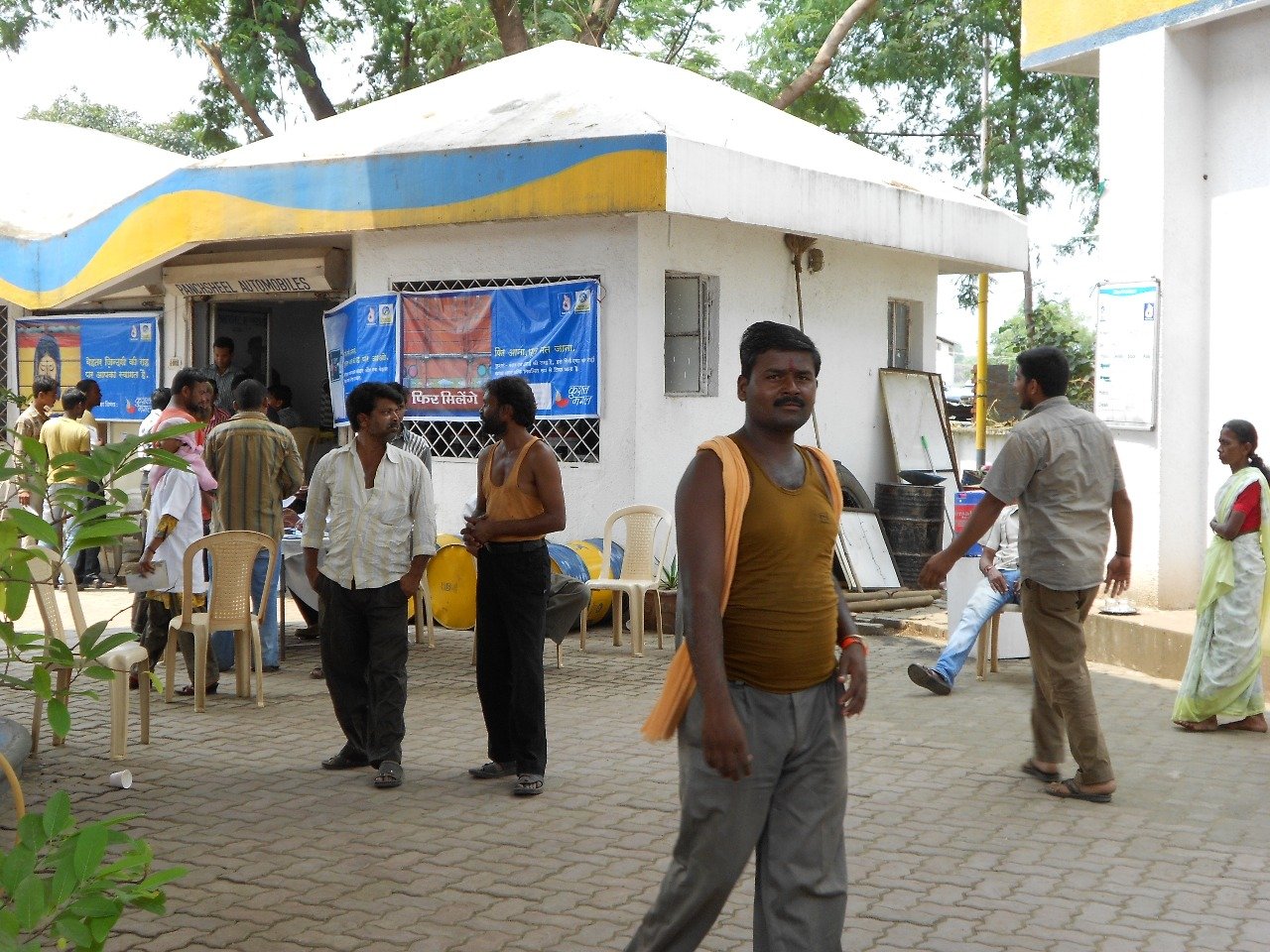
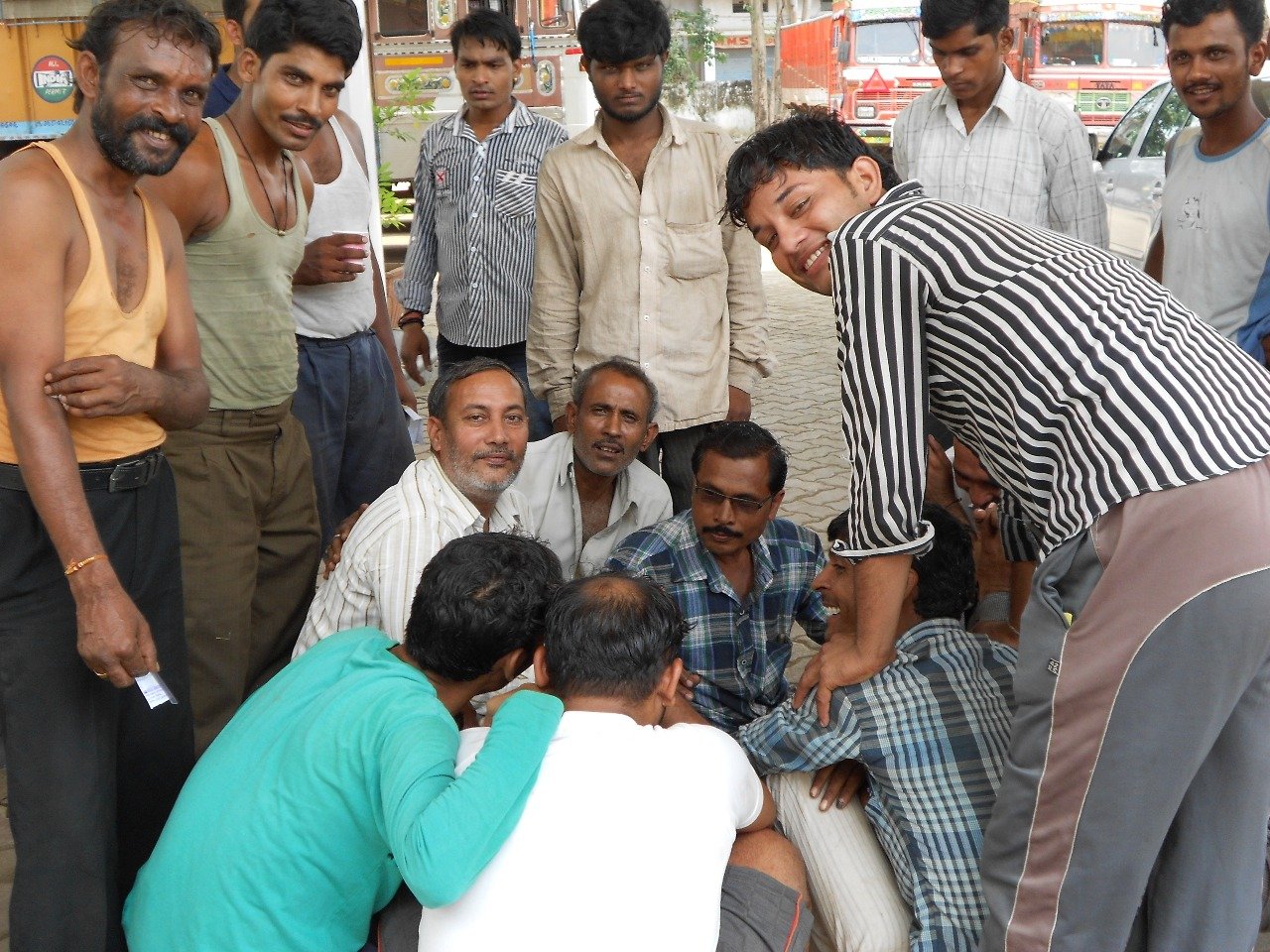
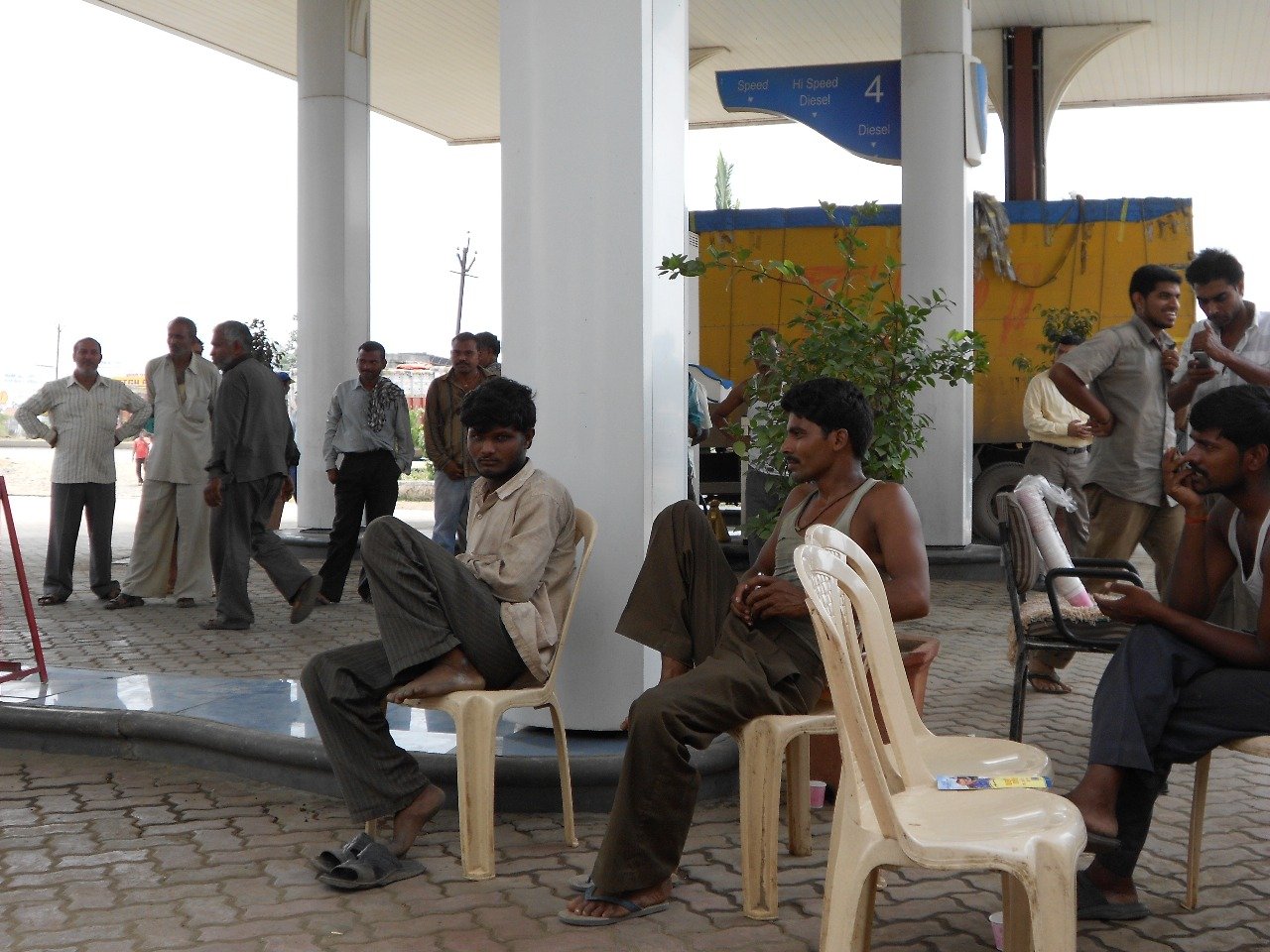
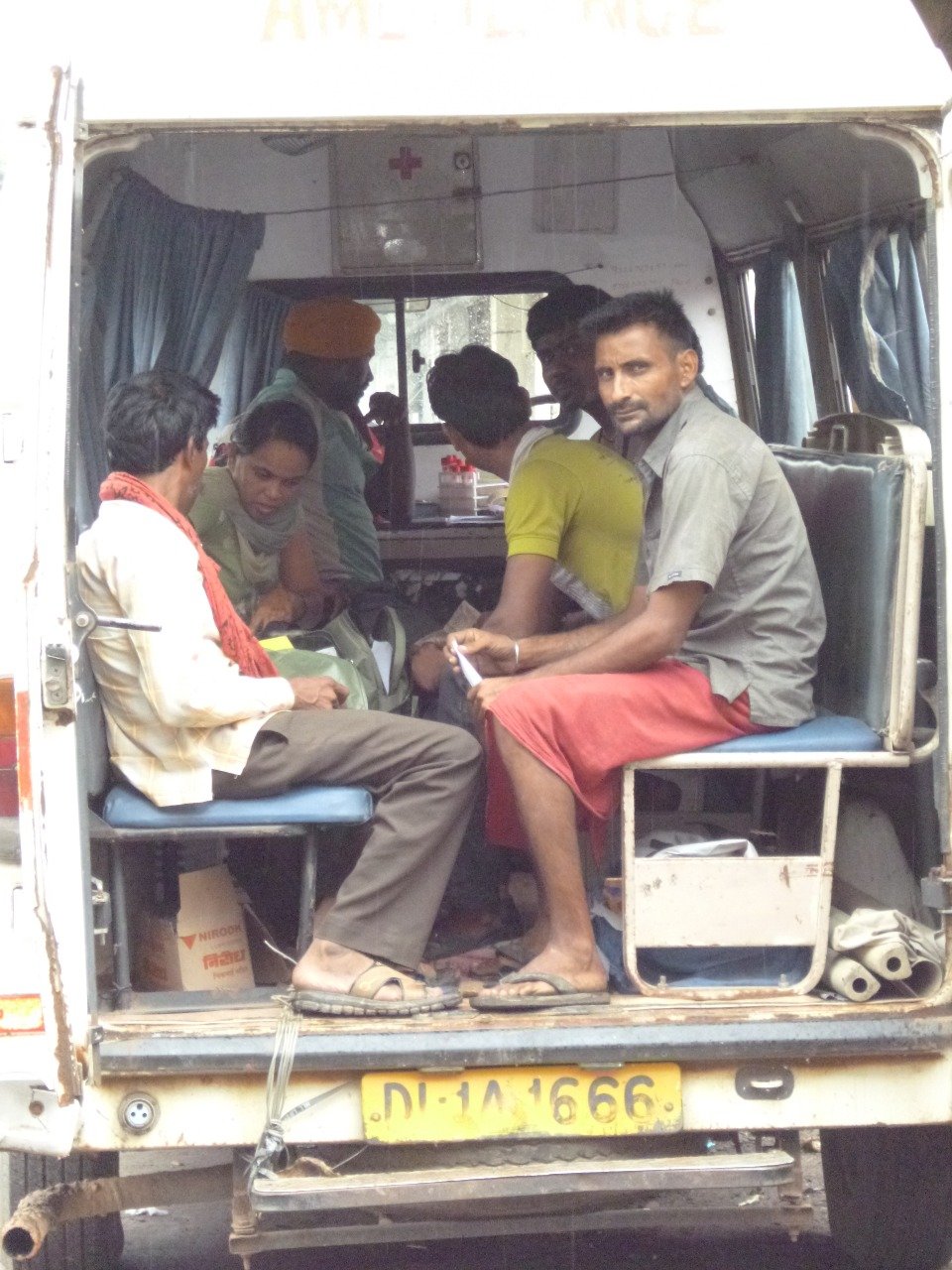
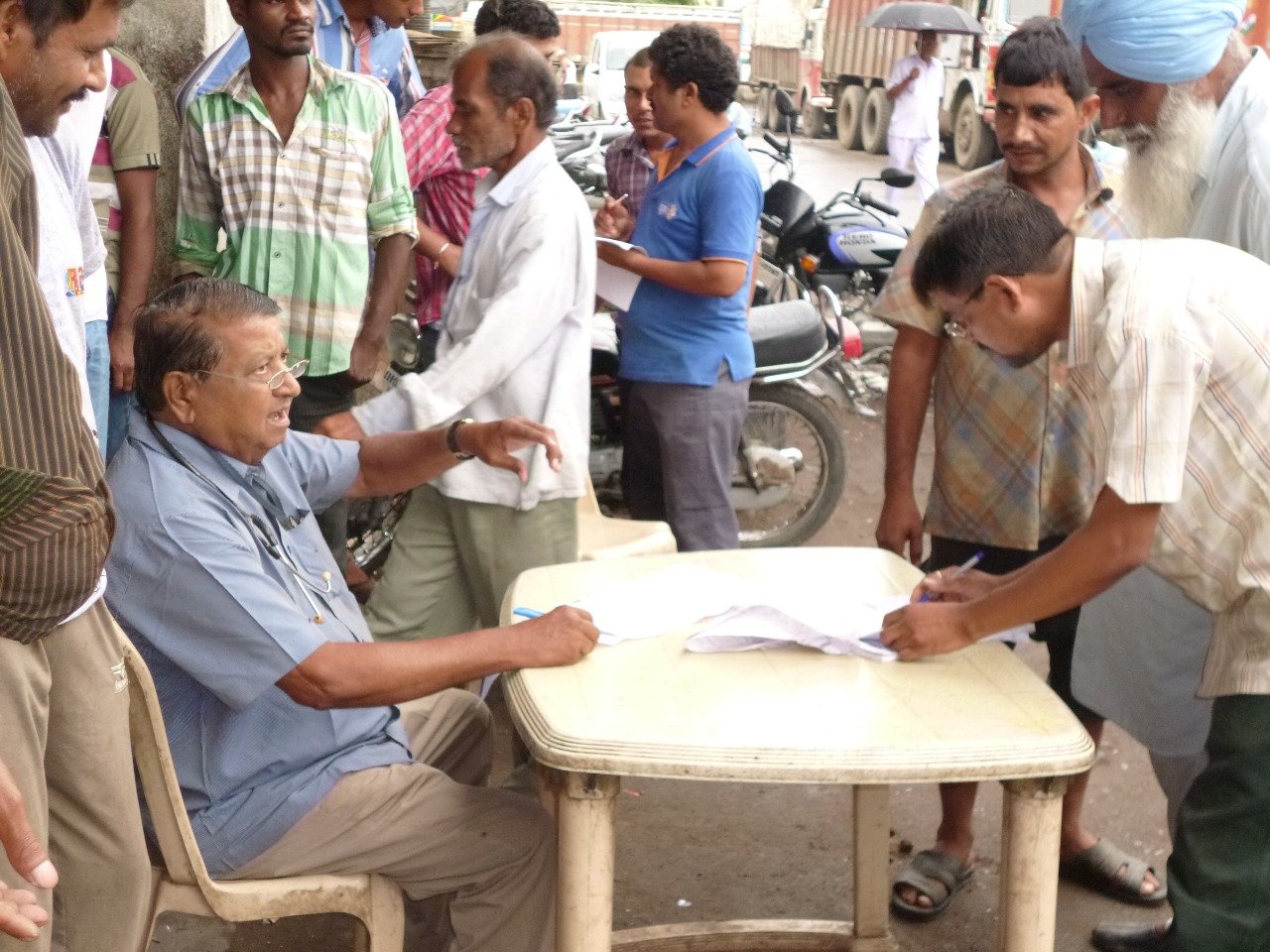
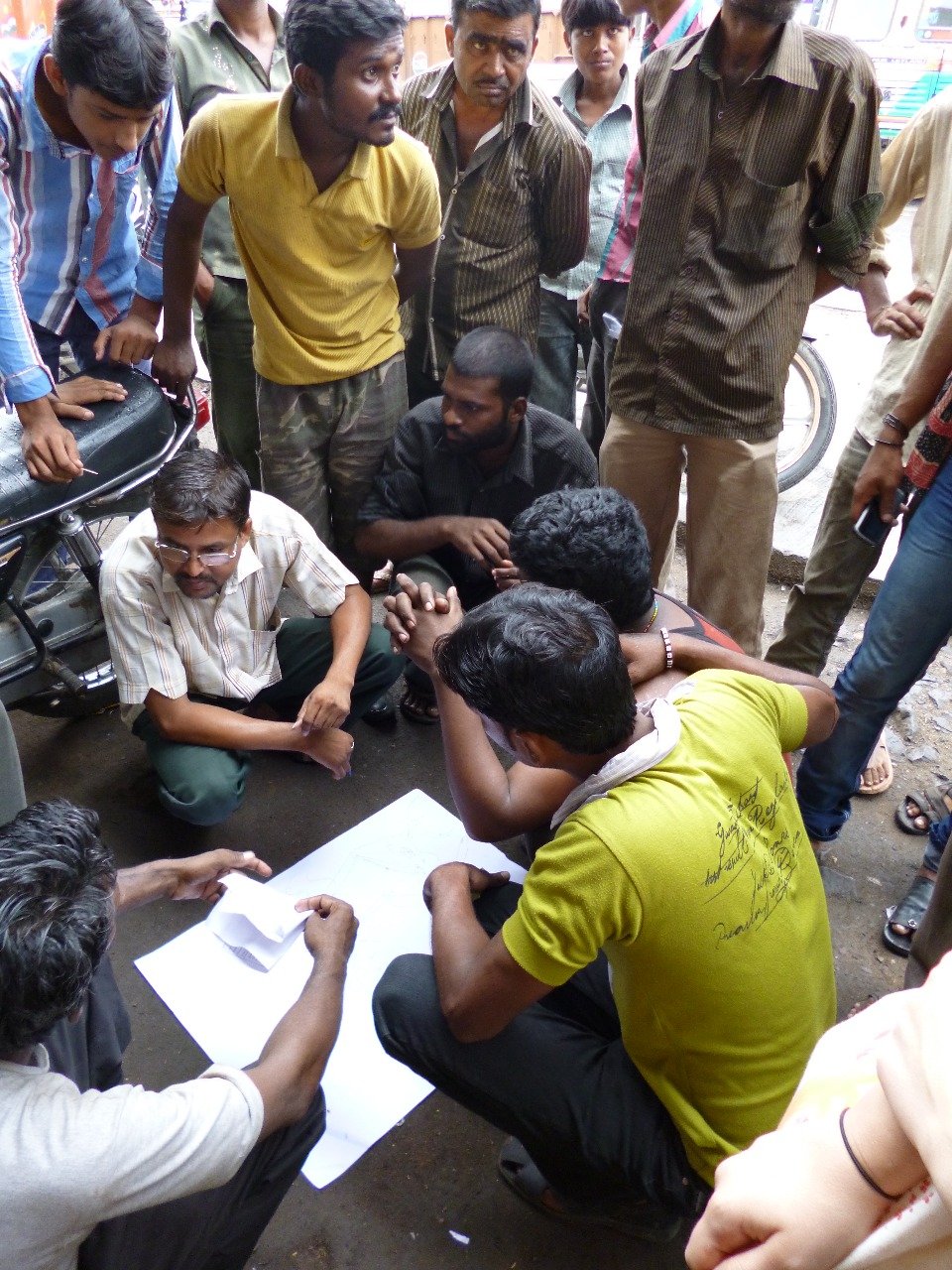
Through Maharashtra State Aids Control Society-MSACS guided by NACO – National Aids Control Organisation, I IYW is working with long distant truck driver and helpers towards awareness on STI, HIV and AIDs and provision of services like regular STI check-ups, counselling of patients, linking to ICTC, linkages to social schemes, IPC sessions, BCC for beneficiary group etc. The yearly target of beneficiaries is 20,000 truck drivers. The project works under the guidelines specified by NACO, Delhi and MSACS, MH.
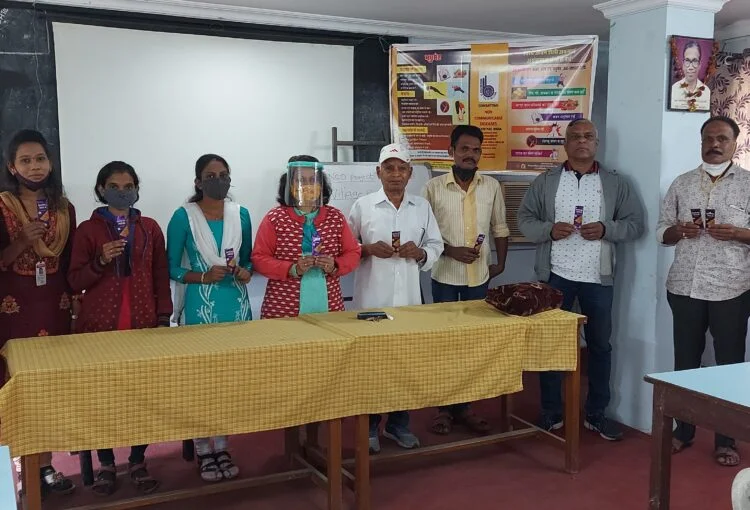
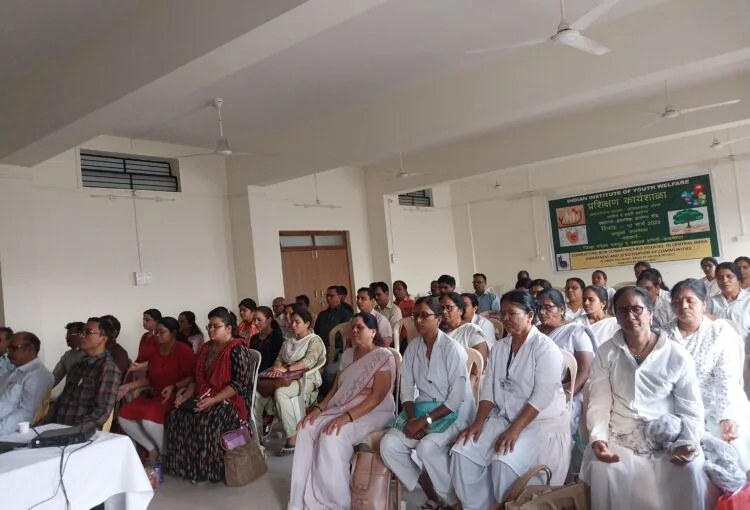
COMBATTING NCD Project
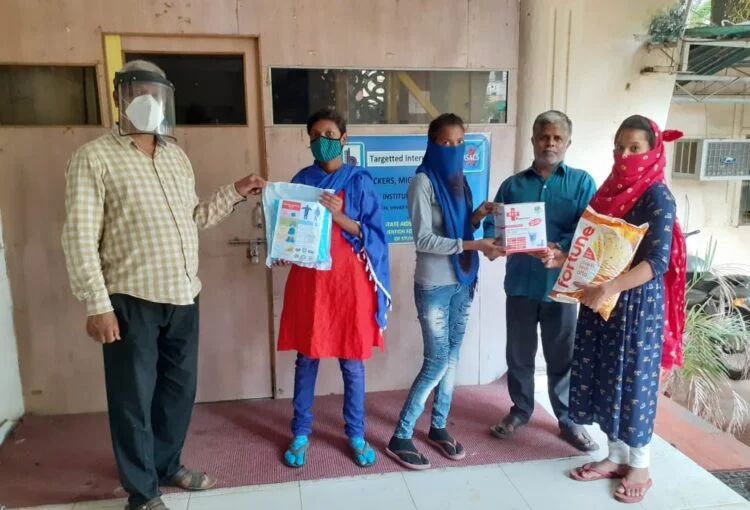
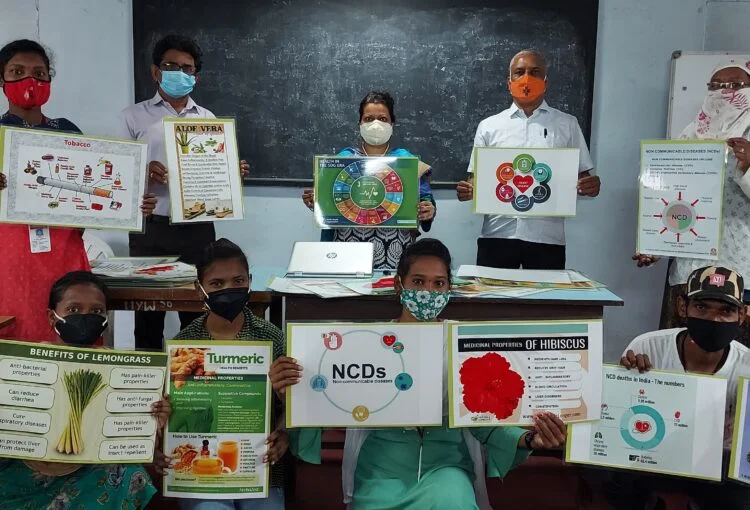
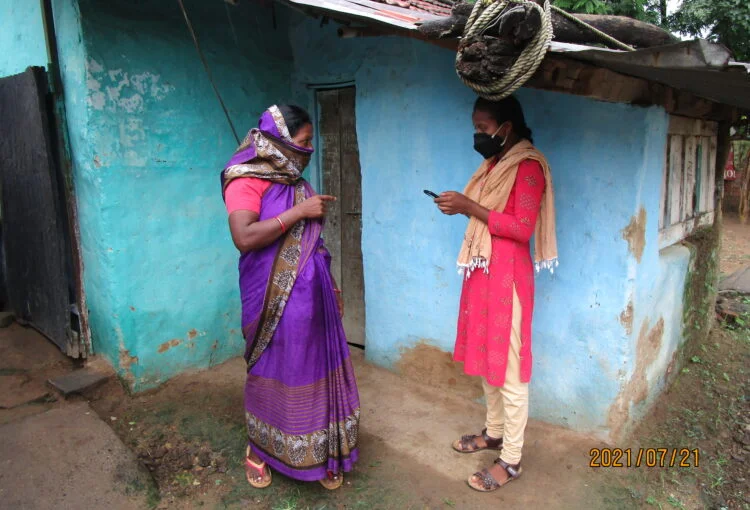
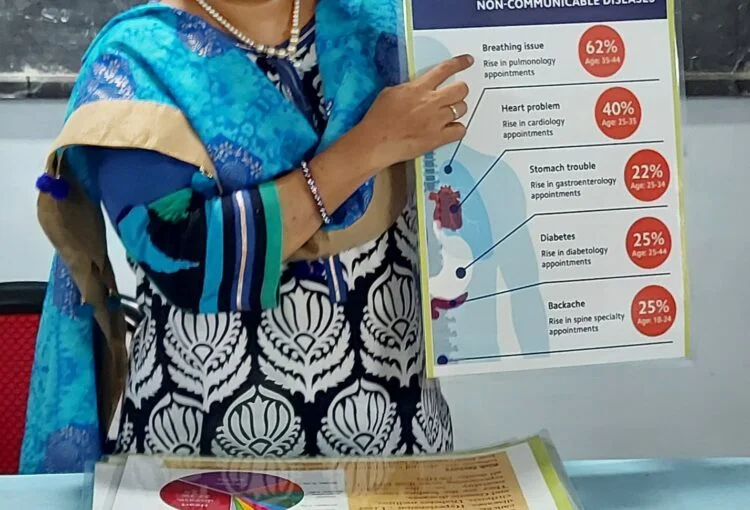
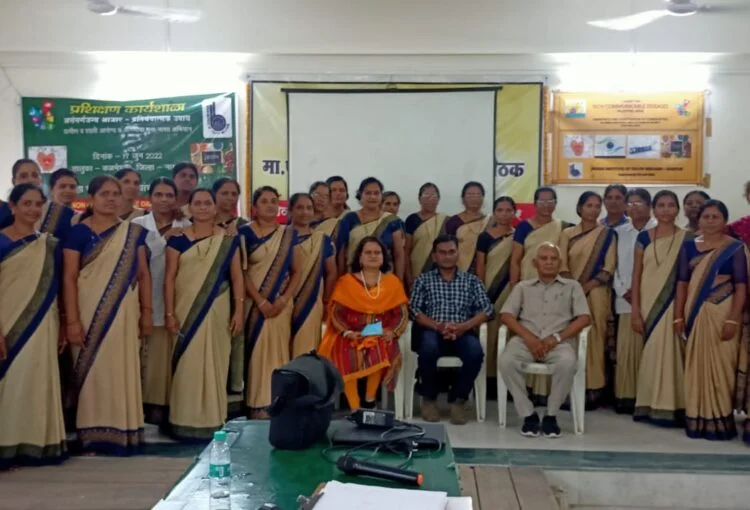
Non-Communicable Diseases (NCDs) also known as chronic diseases. NCDs tend to be of long duration and are the result of a combination of genetic, physiological, environmental and behaviors factors. The main types of NCDs are cardiovascular diseases (like heart attacks and stroke), cancers, chronic respiratory diseases (such as chronic obstructive pulmonary disease and asthma) and diabetes, stress, Anaemia/sickle cell and eye diseases. NCDs disproportionately affect people in low-and middle-income countries where more than three quarters of `global NCD deaths 32million – Occur. IIYW is implementing NCD project in Urban and Rural Nagpur and covers 25 Urban Communities in 2 zones of Nagpur City & 60 villages in 3 blocks of Nagpur district, with the support of German Government. The project will provide services on NCDs from – 1st Feb. 2021 to 31st Dec.-2024